Personalisation In eCommerce: How To Tailor The Shopping Experience
Using personalisation in eCommerce is a great way to increase engagement, boost conversions, and foster customer loyalty.

Oops! We could not locate your form.
Using personalisation in eCommerce is a great way to increase engagement, boost conversions, and foster customer loyalty.
We’ve come a long way since the early days of online shopping. Nowadays, customers expect more than just a basic shopping experience. They want a journey that feels tailored to them.
Using personalisation in eCommerce is a great way to increase engagement, boost conversions, and foster customer loyalty. This goes for both B2C and B2B eCommerce sites.
But how can online retailers effectively personalise the shopping experience?
Let’s explore the key strategies and benefits, that can help businesses deliver a more tailored experience for their customers.
Personalisation in eCommerce is about delivering relevant content, recommendations, and experiences to individual customers based on their behaviour, preferences, and past interactions.
The benefits include:
So, how can eCommerce businesses implement effective personalisation?
One of the most effective ways to personalise an online store is by offering tailored product recommendations.
Frequently Bought Together
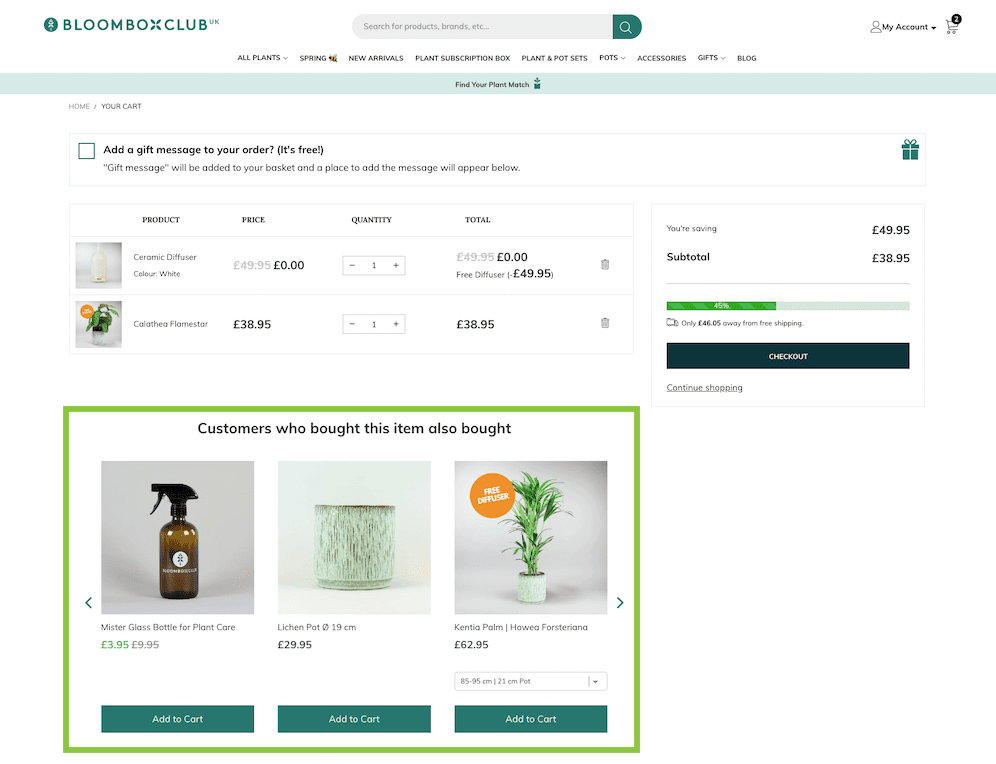
Suggest related items based on previous purchases or items already in their basket (“Customers who bought this also bought…”).
Here is an example from Bloom Box Club, suggesting items that are often bought alongside the items already in the basket.

Recently Viewed Products
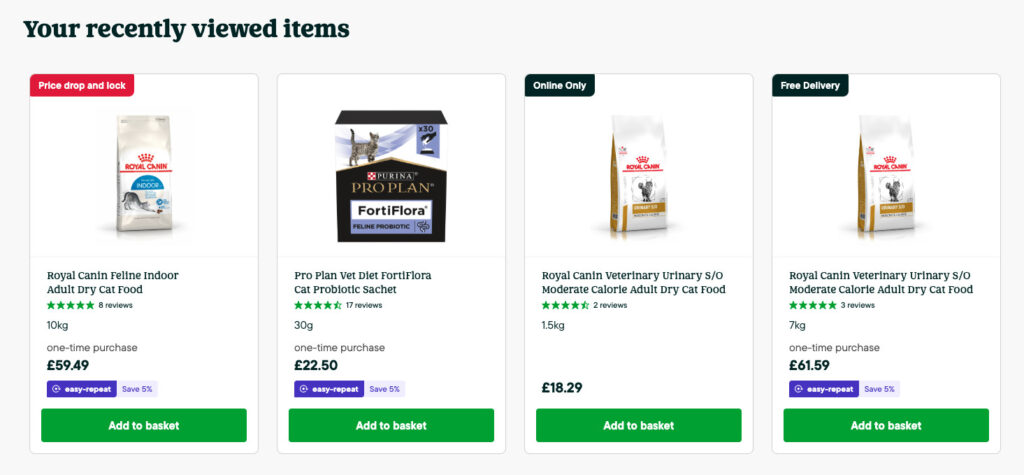
Remind users of items they previously browsed. This can be very valuable for larger sites, where users navigate about a lot, and can easily lose track of items they’ve viewed.
Here is an example from Pets At Home, which also highlights items with a price drop.

Personalised Recommendations
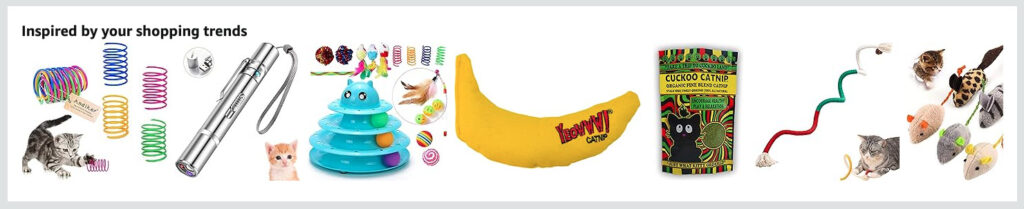
Show recommended products based on a shopper’s browsing and purchase history. For Example, Amazon’s recommendation engine drives a significant portion of its sales by presenting users with highly relevant products.
Here’s a recent Amazon example. You might have guessed from these last two examples that I have cats.

Generic email campaigns are becoming less and less effective. Instead, use segmentation and automation to send emails and texts that truly resonate.
Abandoned Cart Emails
Remind customers about products left in their basket and incentivise them with a discount.
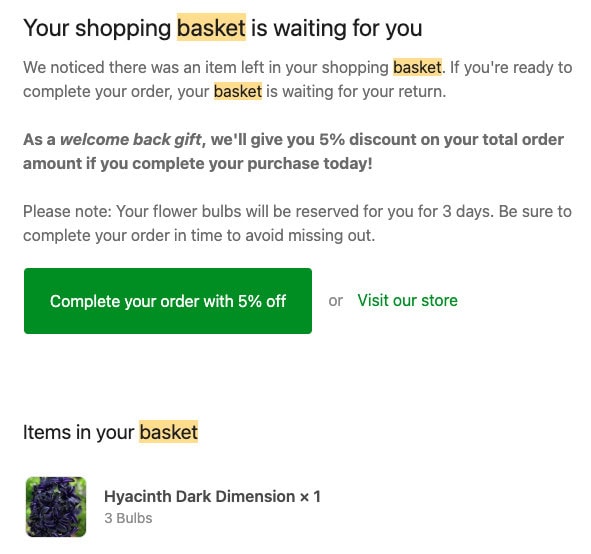
Abandoned cart emails are one of the most well known examples of personalised marketing, and remain very effective. They are easy to implement, even for small businesses.
Here is an example from a small business selling garden bulbs, with a 5% discount voucher included to help persuade those who are undecided.

Personalised Product Suggestions
Recommend items based on previous purchases or browsing behaviour. Like the personalised emails ASOS sends, showcasing products similar to a customer’s recent searches or purchases.
Birthday & Anniversary Offers
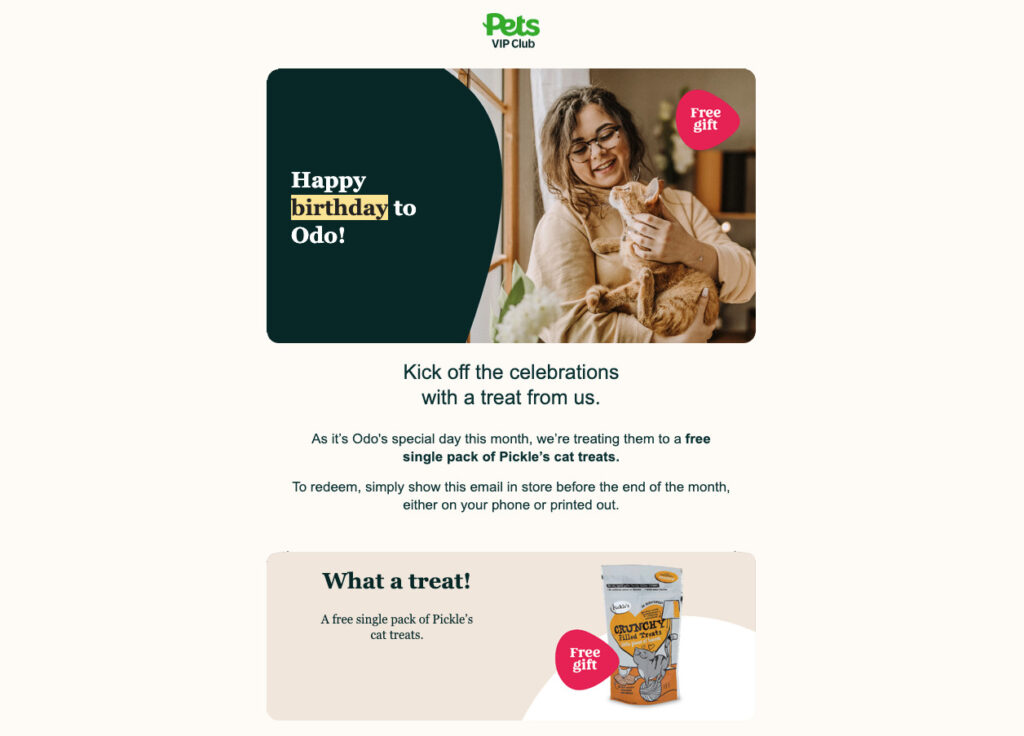
Send exclusive discounts or special promotions on personal occasions. I get several emails on my birthday from eCommerce brands, with vouchers or offers included.
Companies like Pets At Home use this same technique with their VIP Club, but for your pet’s birthday instead.
I realise I’m probably starting to look like a crazy cat lady, but pet brands just happen to be very good at using personalisation.

Product Restock Alerts
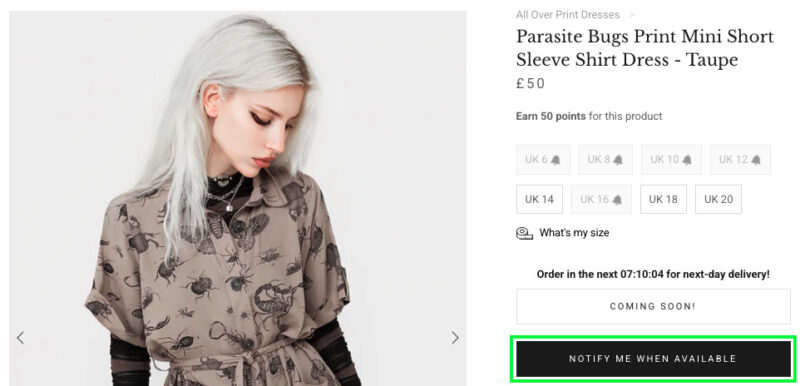
Let customers know when out of stock products they’ve been eyeing up are back in stock.
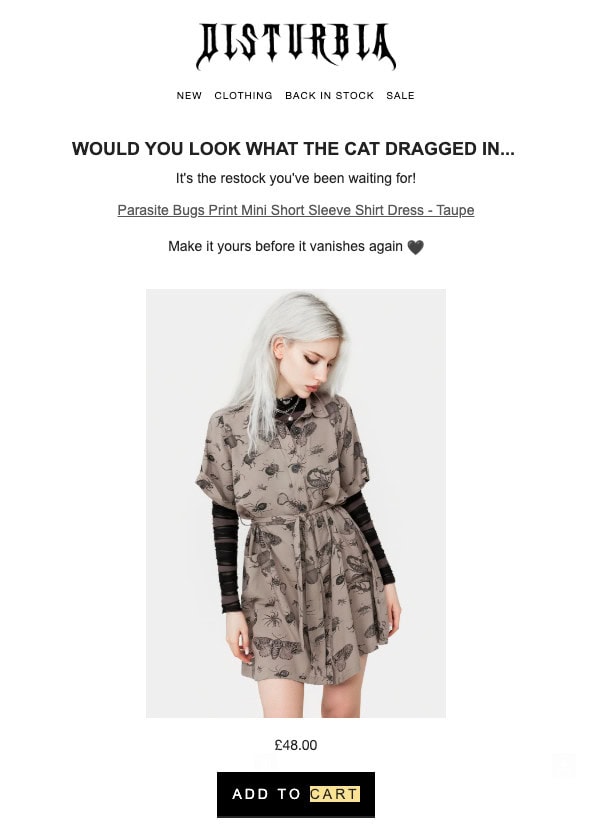
Here is an example of from clothing brand Disturbia. The dress I was looking at wasn’t available in my size, but they provide a ‘notify me when available’ button.

Here is the email I got when it was restocked in my size:

Reorder Reminders
Remind customers to reorder a product before they run out, or before a certain date. For example, a beauty brand could send an email reminding a customer to repurchase their favourite moisturiser.
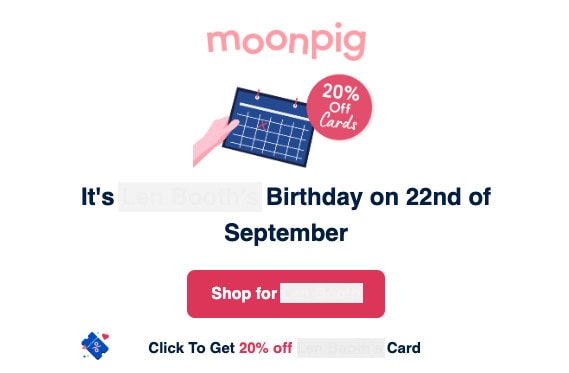
Moonpig send out reminders annually for any birthdays or anniversaries you have previously purchased cards for. They include a discount code as a little extra temptation.

Offering discounts based on a customer’s behaviour can encourage conversions. Encourage repeat purchases by offering exclusive discounts or reward points based on previous spending habits.
First-Time Visitor Discounts
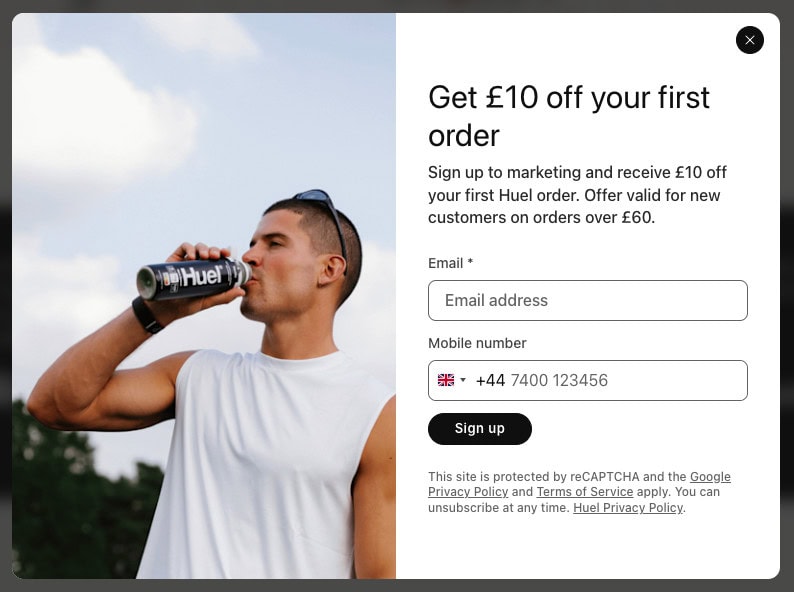
Offer a small discount in exchange for signing up to your mailing list.
This is another very common tactic and another one that can be very easy to implement, even for small businesses.
Here is an example from the Huel website:

Loyalty Discounts
Reward repeat customers with exclusive discounts or early access to sales. This can also help you collect user generated content.
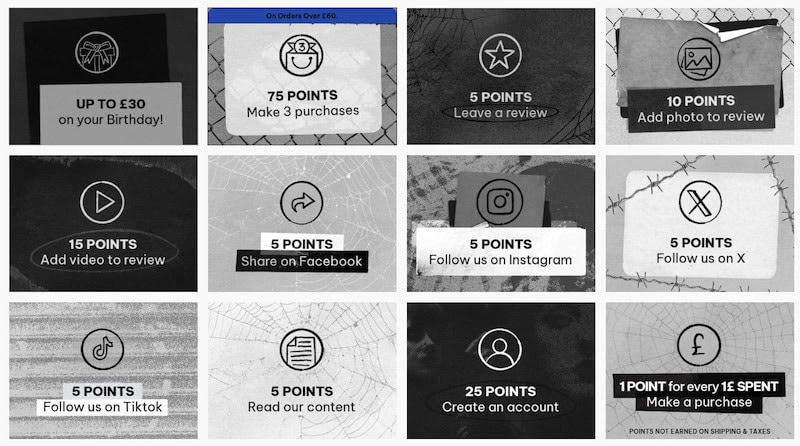
For example, alternative clothing brand reward customers with points for spending money with them, but also for completing actions like reviews and social posts. These points can be converted into vouchers for money off.

Exit Intent Offers
Display a discount pop-up when a user is about to leave the site without making a purchase.
Exit intent popups are another commonly used method across B2B and B2C website.
In an eCommerce setting they are usually used to offer a discount or offer, to tempt a user to make a purchase, when they are about to exit your site. They are often paired with a time limit in which to use the discount, to add a sense urgency. They can be especially effective for someone about to abandon their cart.
Tailoring content based on a shopper’s location can improve relevance. Adapt pricing, shipping options, and promotions based on a customer’s location. Allow for multi-currency support and region-based pricing.
Currency & Pricing Adjustments
Display prices in the user’s local currency. This can be done with a manual switcher, or dynamically with geo-targeting.
A retailer offering free shipping in the UK but charging for international deliveries can dynamically display this based on the visitor’s IP address, for example.
Seasonal & Regional Promotions
Offer region-specific deals (e.g. winter clothing recommendations for colder regions). A fashion retailer may promote raincoats to UK customers while showcasing summer attire to customers in Australia.
Localised Content
Adjust messaging based on cultural or regional preferences.
This is something that is used across a variety of industries, including travel and hospitality, manufacturing, logistics, and can be very useful for eCommerce stores that sell globally.
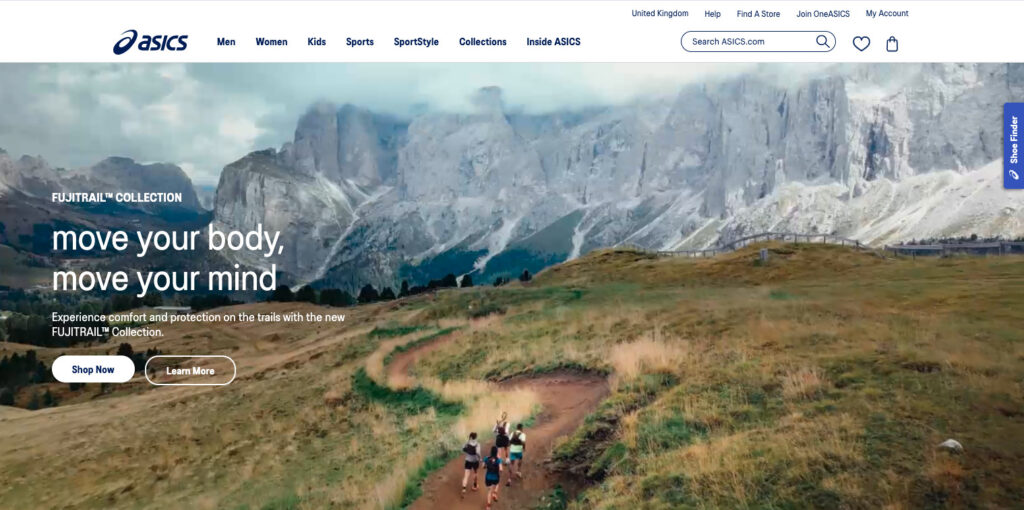
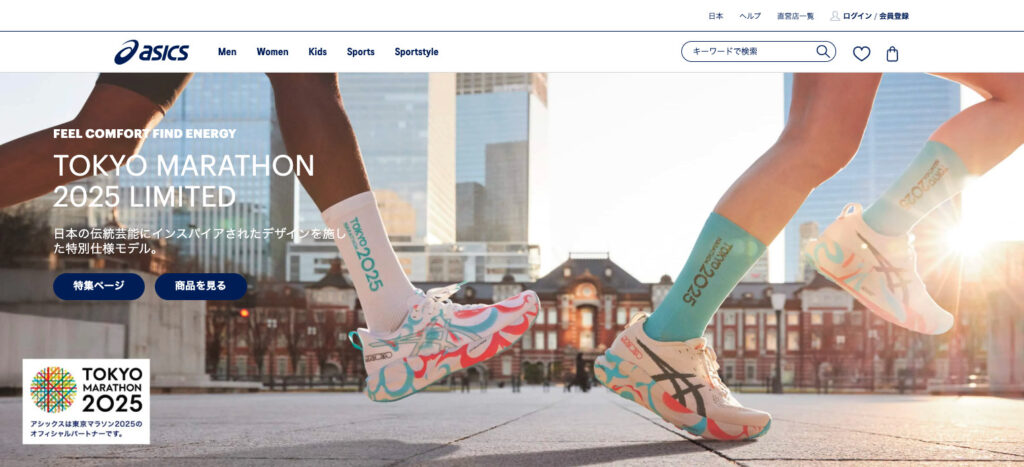
For example, sports footwear brand ASICS, present localised imagery, navigation, content and products to users, based on where they are visiting from.
Here are examples of the GB version of the site, and the Japanese version:


AI chatbots can enhance personalisation by offering real-time, tailored support.
Product Recommendations
Chatbots can suggest products based on a customer’s needs. Like a skincare brand’s chatbot could ask customers about their skin type and preferences before recommending products.
Order Tracking & Support
Provide instant answers to customer queries.
Interactive Quizzes
Guide customers towards the best product choices based on their responses.
Websites can dynamically adapt their layout, content, and promotions based on user behaviour.
Returning Customer Greetings
Display personalised welcome messages when a user logs in.
Saved Preferences
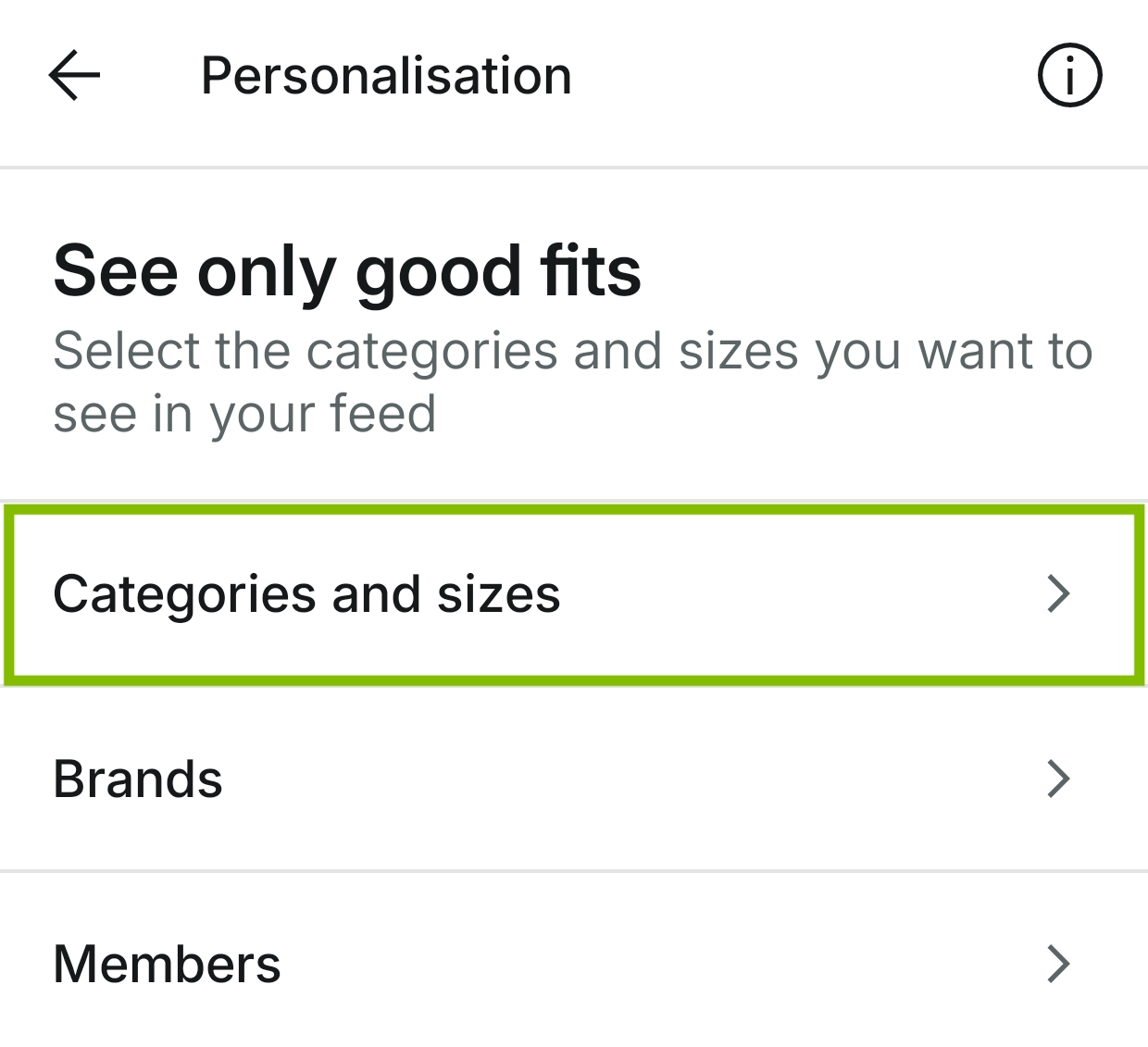
Allow customers to save their size, colour, or brand preferences for quicker shopping.
Vinted do this, allowing you to search with your pre-defined size and category filters. You easily remove the filters from the search if you are shopping for someone else.

Quick Reorder
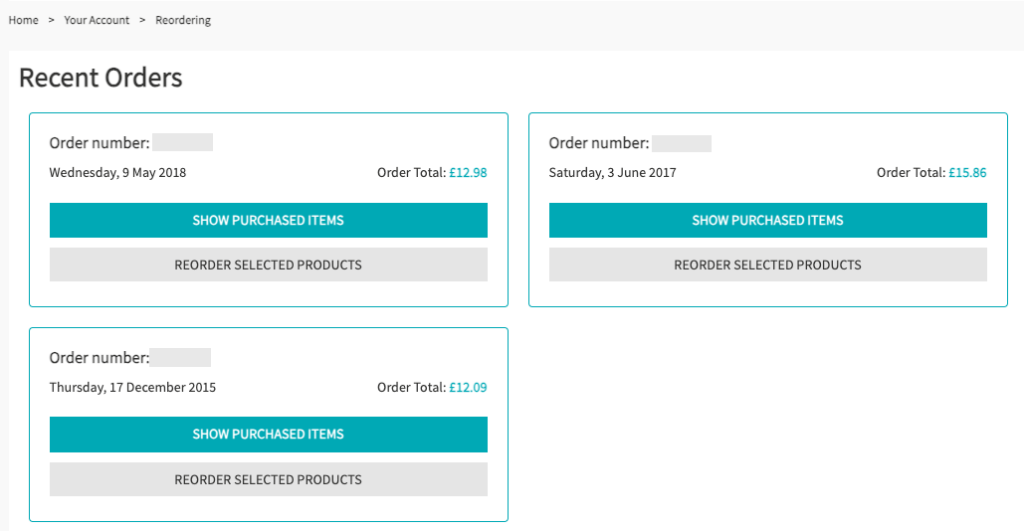
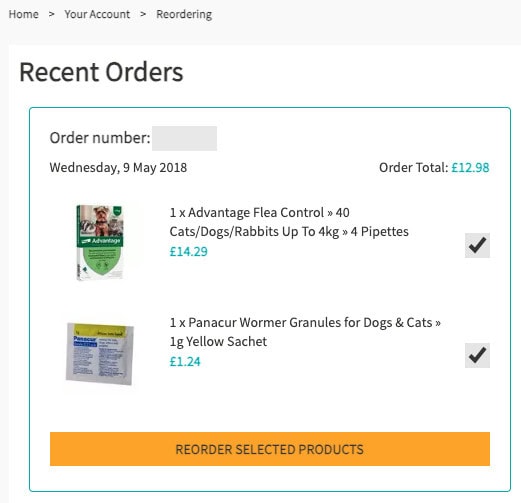
Allow customers to quickly place the same order they placed previously, or items from a previous order from their account, basket, or a product page.
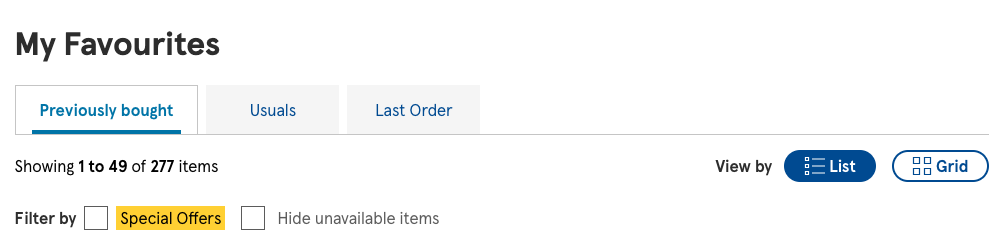
Sainsbury’s and Tesco both provide logged in users with a ‘My Favourites’ page, where they can quickly add items from previous orders, or items they regularly purchased in-store to their basket. Sainsbury’s also includes the ability to add ingredients from their recipes.


However, this isn’t just the domain of the supermarket giants. Smaller retailers, like VioVet have easy reordering functionality from the account dashboard. This allows shoppers to quickly add some or all of the items from a previous order to their basket.


Adaptive Navigation
Adjust menu items and featured products based on browsing history.
Netflix’s homepage changes based on a user’s watch history, a concept that eCommerce sites can apply to product recommendations.
Product Customisation & Configuration
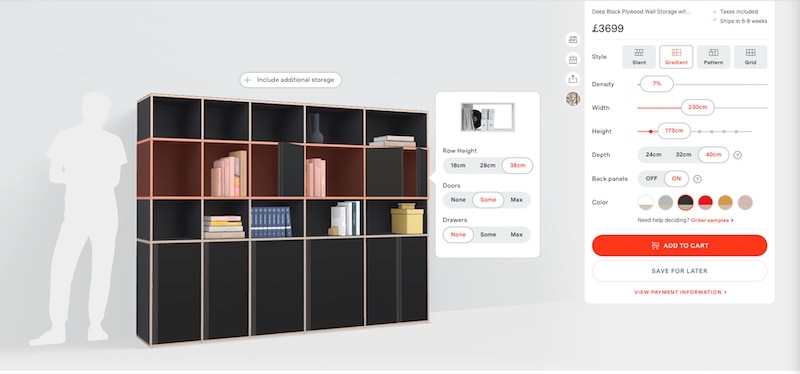
If you have a bespoke offering, manufacture a product that needs to be tailored, or perhaps a service that is customisable, provide functionality for users to configure and view their selection ahead of making the decision to purchase.
For example, often in the automotive industry, a customer can customise their ideal car package online to see how it will look, and how much it will cost with their chosen features.
Another good example is the bespoke storage furniture manufacturer, Tylko. They have a really well designed product configurator to help potential buyers design the ideal storage solution for their space.

Digital Try On
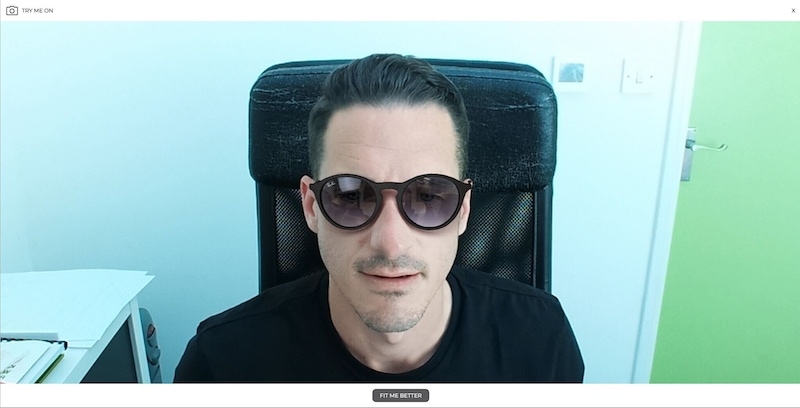
Let potential customers see what a product will look like on them, before they purchase.
This is often utilised by eyewear retailers, to aid customers in finding glasses that will suit them, without having to try them on in person, but can be used in numerous ways.
Here is an example from Shade Station, where Impacter, Jame Coates, digitally ‘tried on’ several pairs of sunglasses before making a purchase.

and here are the actual sunglasses he ordered.

View In Situ
Similar to allowing users to digitally try a on product on, is allowing them to view a product in their personal space. For example, seeing if a piece of furniture looks right in the room they are intending to buy it for.
Here is an example from APT 2B, where you can upload a photo of the room you are buying furniture for, and using their browser-based augmented reality tool, you can see how a selected furniture item will look in that space.

B2B buyers sometimes have different needs to B2C shoppers. Although a lot of the B2C personalisation methods can be used in a B2B eCommerce setting, here are some additional ideas on how personalisation can enhance the B2B buyers experience:
B2B customers often expect tiered pricing based on volume or account status.
Custom Quotes Or Exclusive Pricing
For some B2B companies, they will have VIP customers or wholesale buyers that get custom quotes or special pricing. Rather than having to manually speak to a sales person to put an order through every time, this can be done via your website, when the customer logs in.
This is something we implemented for Vetro Tooling, alongside multi-currency pricing, multi-currency shipping, and custom shipping routes. This provides their key customers with a highly personalised experience.
Volume-Based Discounts
For example, a construction supply company may offer a 10% discount on bulk orders over 100 units.
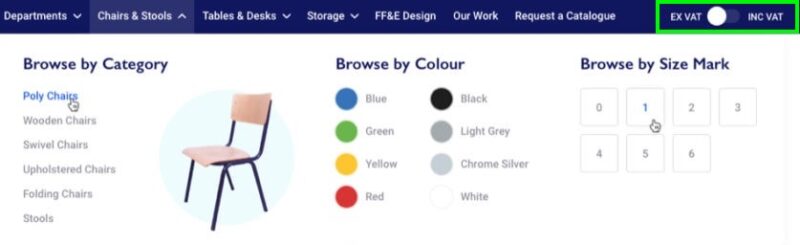
VAT Switcher
For brands that sell to both consumer and business customers, allow business customers to switch pricing from displaying with VAT included, to showing with VAT excluded.
This is something we implemented for a school furniture retailer we worked with.

For B2B clients, efficiency is key. A custom account dashboard with the following personalised features can be very welcome:
Not all products are relevant to every B2B client. Some eCommerce platforms like WooCommerce, allow you to create customer-specific catalogues that:
So, a manufacturer selling parts to different industries can customise product listings based on the user’s sector.
B2B customers often have complex queries that require quick responses. AI-powered chatbots can:
Although we covered this in the B2C section, I thought it would be good to share a B2B specific example.
Helping a potential customer to better visualise how a product may look when in use can be incredibly beneficial.
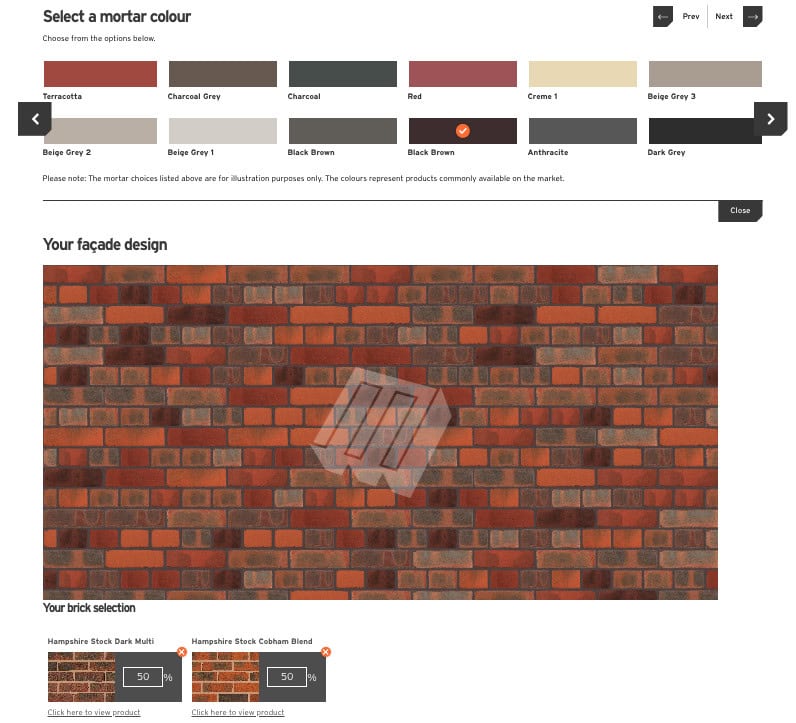
Our client, Michelmersh, has a façade designer, which allows their users to see how their chosen bricks will look when in a façade.
This can be personalised with an individual brick type, or multiple bricks at different percentages. The user can also choose the mortar colour they will be using and they style of brick bonding, to visualise the final look. They can then email these visualisations to themselves.

As technology advances, personalisation in eCommerce will become even more sophisticated, incorporating AI, machine learning, and hyper-targeted marketing strategies. Businesses that embrace personalisation will not only improve customer experience but also drive higher revenue and long-term brand loyalty.
If you’re looking to implement personalisation on your WooCommerce store, our team can help! Get in touch with us today to create an eCommerce experience that speaks directly to your customers.

If you’d like to learn more about optimising your WordPress or WooCommerce website, drop us an email or give James a call.
Our Evolve plans are designed to enhance and extend the lifespan of your website, ensuring it remains well optimised, and aligned with your business.