Creating Impactful Case Studies For The Construction Industry
Having a strong online portfolio is essential for businesses in the construction industry and adjacent sectors like building materials manufacturers, or tool and machinery providers.

Oops! We could not locate your form.
Having a strong online portfolio is essential for businesses in the construction industry and adjacent sectors like building materials manufacturers, or tool and machinery providers.
Your website project portfolio or case study section isn’t just a gallery of past projects, it’s a powerful marketing tool that builds trust, demonstrates expertise, and showcases your unique value.
Here’s how to create case studies that stand out and attract the right clients.
Your portfolio should showcase more than just beautiful work, it should tell a story of how your product or service solved real-world challenges. For example:
By focusing on problem-solving, you position your business as a partner that brings tangible value.
Quality over quantity! Select projects or case studies that highlight your skills, innovation, and reliability.
Focus on those that align with the type of clients you want to attract, such as high-end residential builds or complex commercial structures.
Visuals are the backbone of an effective project portfolio or case study. From the case study thumbnail images which need to tempt users to click through, to the individual project galleries or videos.


Whether you’re a contractor, a cladding manufacturer, or a construction technology provider, invest in professional photography and videography to showcase your work.
Drone footage or time-lapse videos of construction progress, or your product in use can also add a dynamic element to your portfolio.
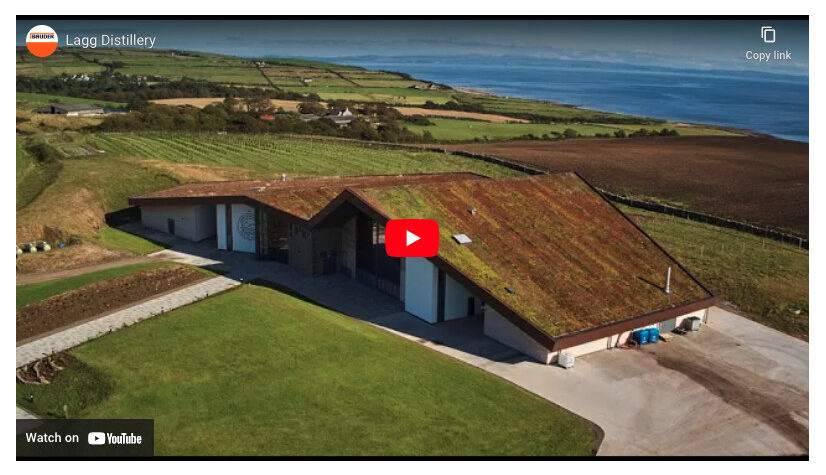
Bauder, a roofing solutions company, include quality videos of their projects in progress, along with the finished results. They mix standard videography with stunning drone shots, to show their roofing off to it’s fullest.

Accompany visuals with compelling narratives. Explain the context, challenges, and results for each project. This applies across the board:
Include details like:
The goal is to help potential clients see themselves in the story, and envision how your business can help them achieve their goals.
Make sure you actually reference and link to the pages for any product or service referenced in the case study.
That way you are directing interested readers to more conversion focused pages, as they move along the funnel. Internal linking also provides search engines with signals about the importance and hierarchy of pages on your site.
Here is an example from the website we built for Michelmersh, a premium clay brick manufacturer.
The case study thumbnail on the main case study page, shows a high-quality photograph of the build, with an insert displaying the brick type used.
When a user clicks through to the individual case studies, every Michelmersh product used in that project is listed, and they can easily click through to the product pages they are interested in.
Make it easy for users to navigate your portfolio/case studies. This goes for making your portfolio easy to access in your navigation, but also for helping users find examples that best match their requirements.
An important tool for achieving this, is by making your project filterable, and making use of suitable filters for you audience.
Here are the filterable options for case studies on the Michelmersh Bricks website:

Here is another example from construction firm, Kier:

Here is a final example from cladding company, Valcan:

This functionality helps users quickly find the most relevant examples of your work.
Client testimonials add credibility and build trust. Ask satisfied customers to share their experiences, focusing on:
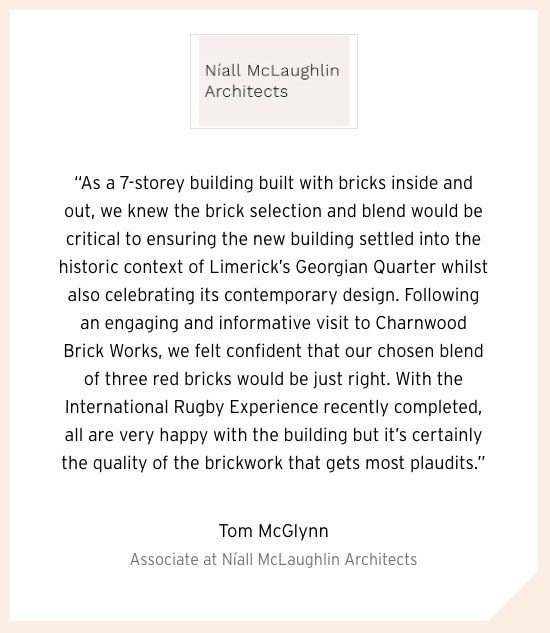
For example, a brick manufacturer might feature a testimonial from an architect praising the durability and aesthetic appeal of their materials.

These testimonials can be text-based, or you could record video testimonials where it is possible, for a more engaging experience.
Client feedback is also great for using across your site and in your marketing.
Numbers tell a compelling story. Wherever possible, include metrics to quantify your success:
For example, a cladding company might highlight that their product reduced a building’s energy consumption by 20%.
This example is from a Balfour Beatty project case study:

Here is another example from Galliford Try:

Your portfolio should evolve as your business grows. Regularly add new projects to showcase your latest skills and innovations. This shows that your business is active, growing, and evolving with industry trends.
For businesses in construction-adjacent sectors, interactivity can make your portfolio even more engaging:
These features make your portfolio more dynamic and memorable.
Ensure your portfolio can be found online. Use appropriate keywords, page titles, meta descriptions, alt text for images, and clear project descriptions to boost your website’s visibility on search engines.
Make sure you do your keyword research, so you are targeting the right terms. Don’t get distracted by internal language and naming conventions. Ensure you are using the terminology that your audience is using when searching for your services or products.
If you sell products, see if they are suitable for a Google Merchant Centre feed.
Ensure your portfolio is easy to use for users across all devices:
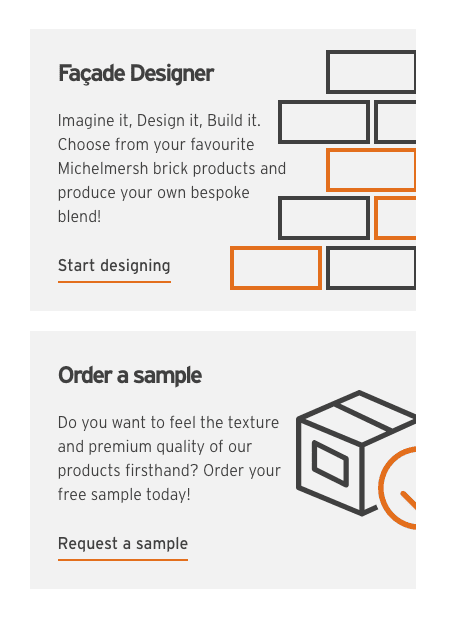
Your portfolio should guide visitors toward taking the next step, whether that’s contacting you, requesting a quote, or scheduling a consultation. I’ve already mentioned linking to product and service pages, but you can include clear CTAs like:


Whether you’re a construction company or a provider of construction-related products and services, your portfolio is your chance to make a lasting impression. By showcasing your expertise, problem-solving abilities, and results, you’ll attract the right clients and set your business apart from the competition.
Need help building a portfolio or case studies section that hooks your audience? Contact us today, and let’s bring your work to life!

Is It Time For A Website Redesign?
If you’d like to learn more about our website redesign approach and if it could be a good fit for your business, drop us an email or give us a call.