Use Conditional Logic In Forms To Give Instant Quotes To Customers
Enhance your lead generation and reduce the likelihood of price undercutting, with the strategic use of conditional logic in forms to create useful functionality.
Oops! We could not locate your form.
Enhance your lead generation and reduce the likelihood of price undercutting, with the strategic use of conditional logic in forms to create useful functionality.
For any business that generates leads, the goal is to get a completed form or an answered call from the website. It is the same outcome for website visitors, they are there for a purpose and it is to find out what the cost may be or to ask questions about your product or service.
They’ve made it through your sales pages and now they’re ready to take the next step. Now, if you have pricing on your website already, those reaching out are likely to be far more qualified when they do. However, in highly price competitive markets or commodity markets, listing your price can mean you can be easily undercut.
So how can you display your pricing, have qualified leads reach out to you, and reduce the chance that competitors will undercut you?
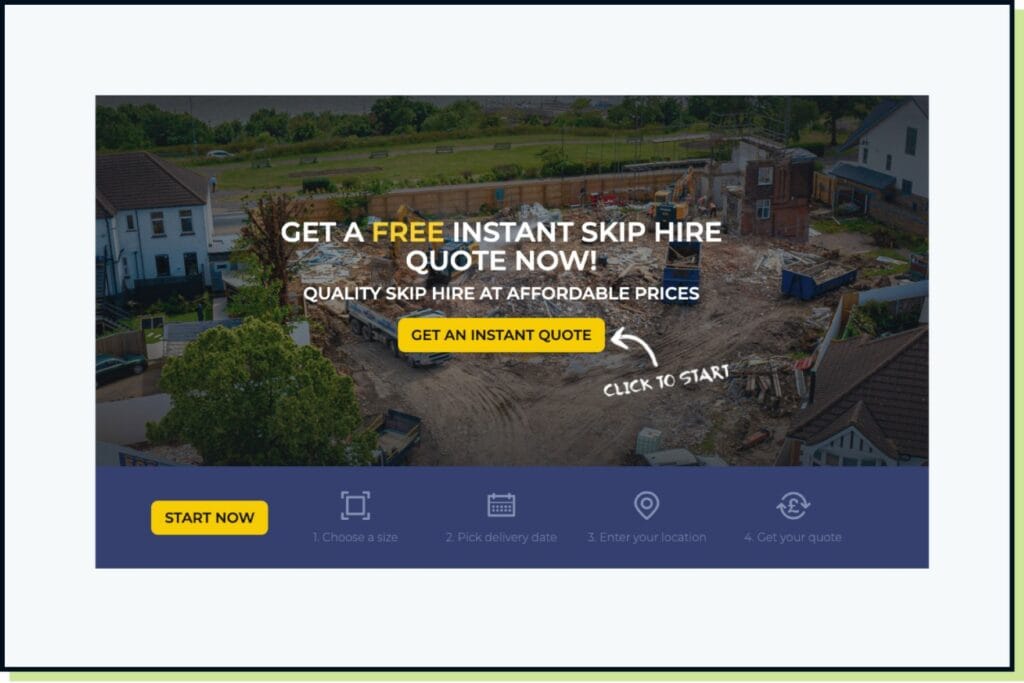
I needed to order a skip recently, and not many of the local firms seem to like putting their prices on their website (probably for the same reasons mentioned above). So I called a few to get an idea of what the cost would be. However, when visiting Essex County Skips, the website promised an instant quote.
Lots of us aren’t that keen on phoning to ask the price, as we might feel the pressure to say yes, because we’re too polite to say no thank you! So with an instant quote you can close the window and like Jon Cena “you can’t see me”, and go back to being invisible.
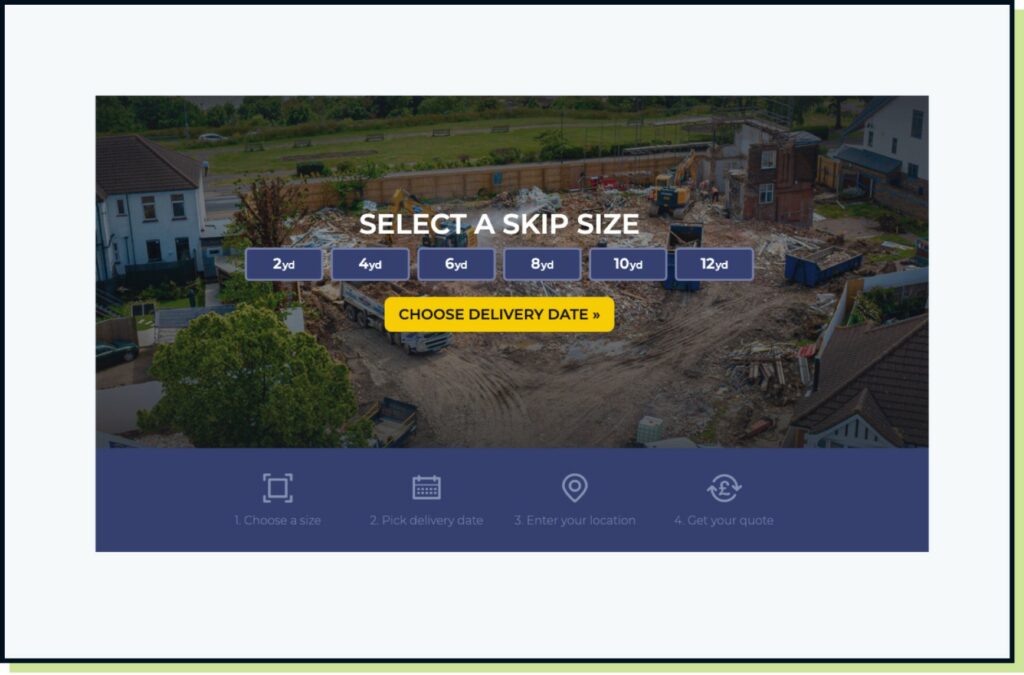
What ECS has on their website is really simple, with no groundbreaking functionality. Just a multistep conditional logic form.
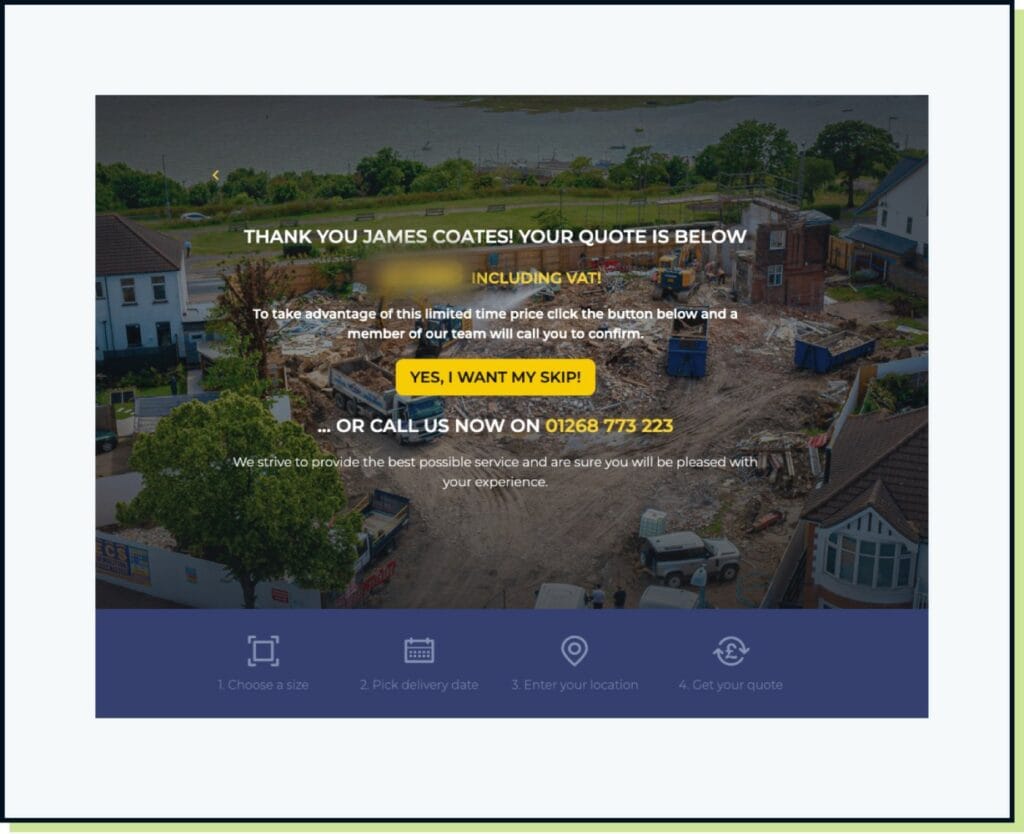
When the visitor selects the main option of ‘size of skip’, it determines the price and that is displayed in the last window, giving you the quote.
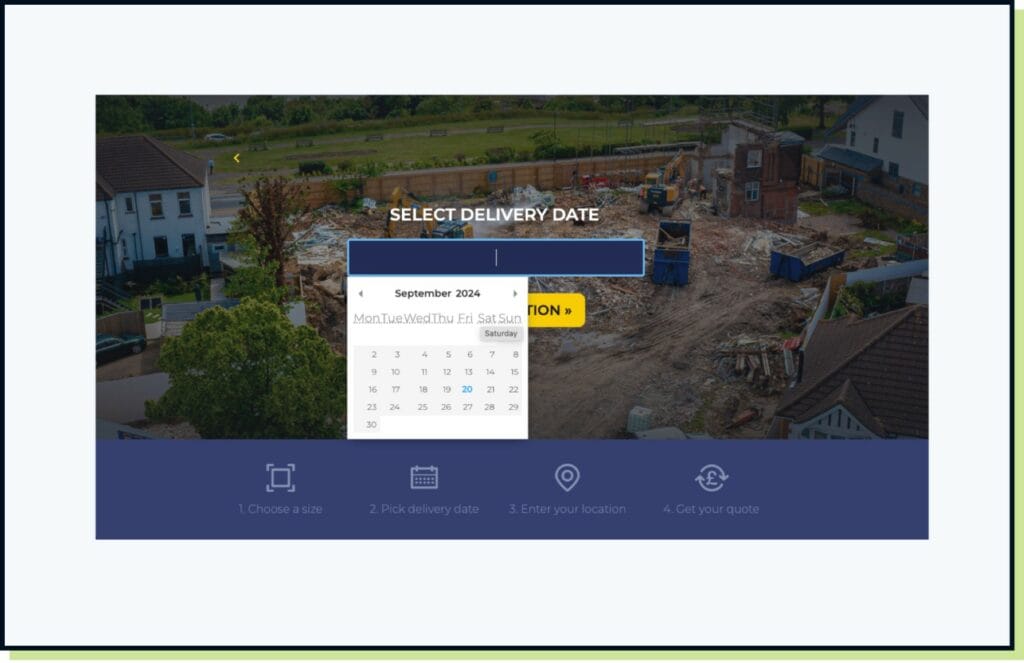
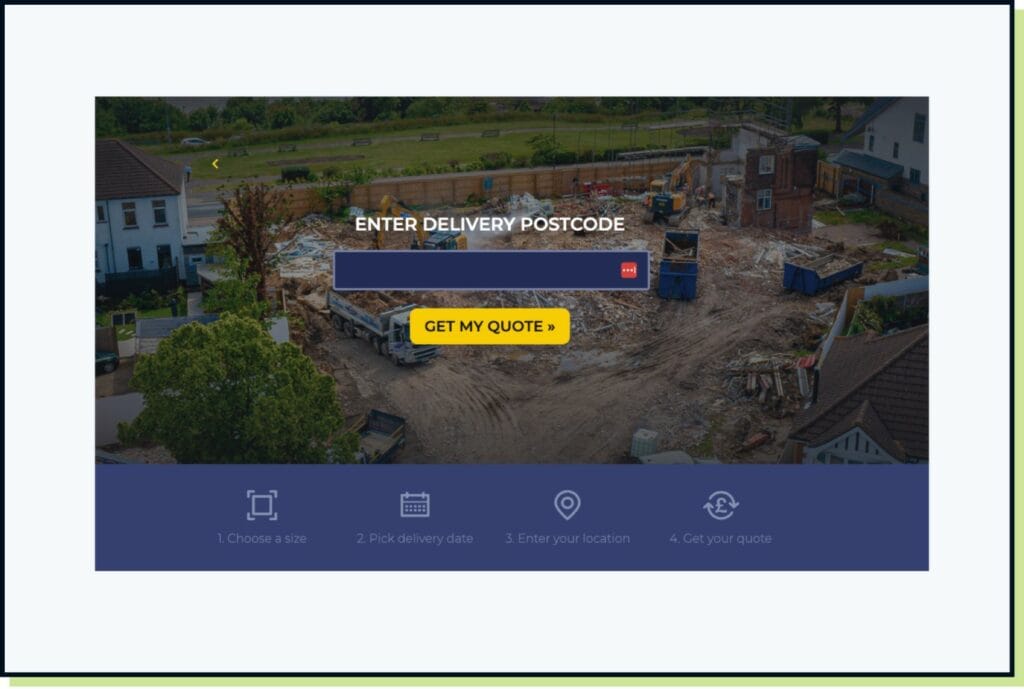
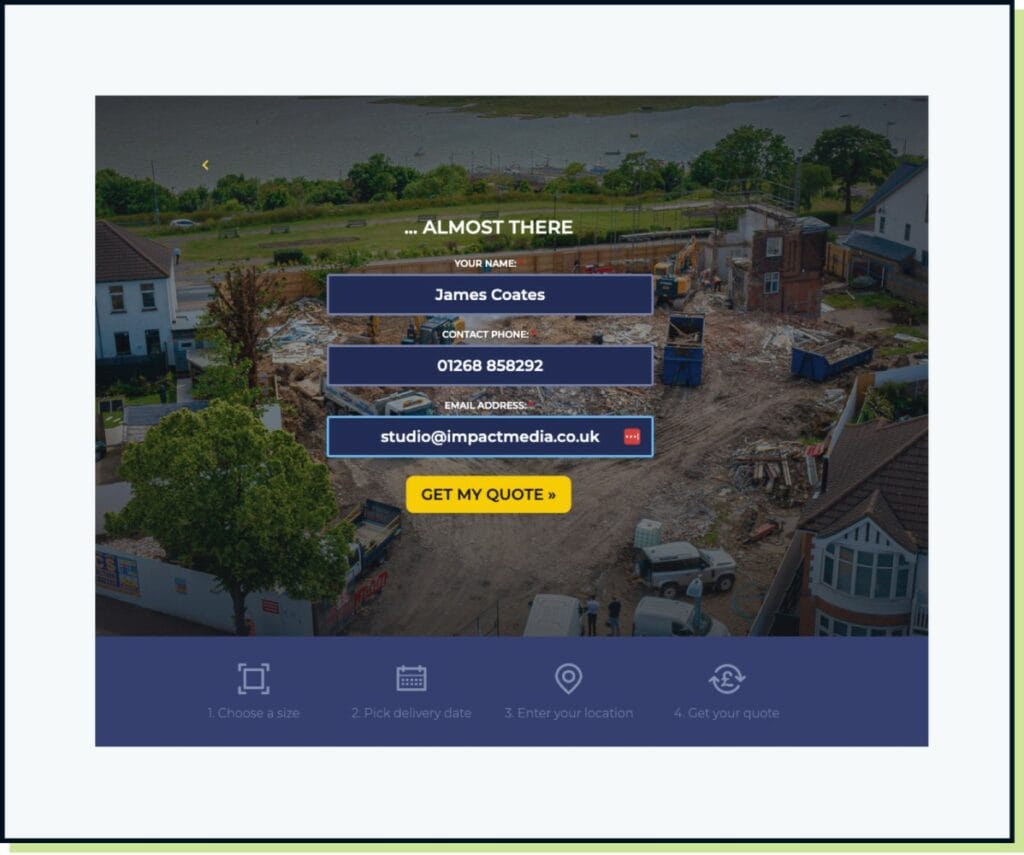
The rest of the form fields weren’t actually changing the cost of the skip, but provided the sales team with some more info, such as date and location of the delivery.
Here are a few screenshots showing the process:


These forms, even multistep forms, can easily be built using Gravity Forms if your website uses WordPress. We are big fans of Gravity for its simplicity and flexibility.
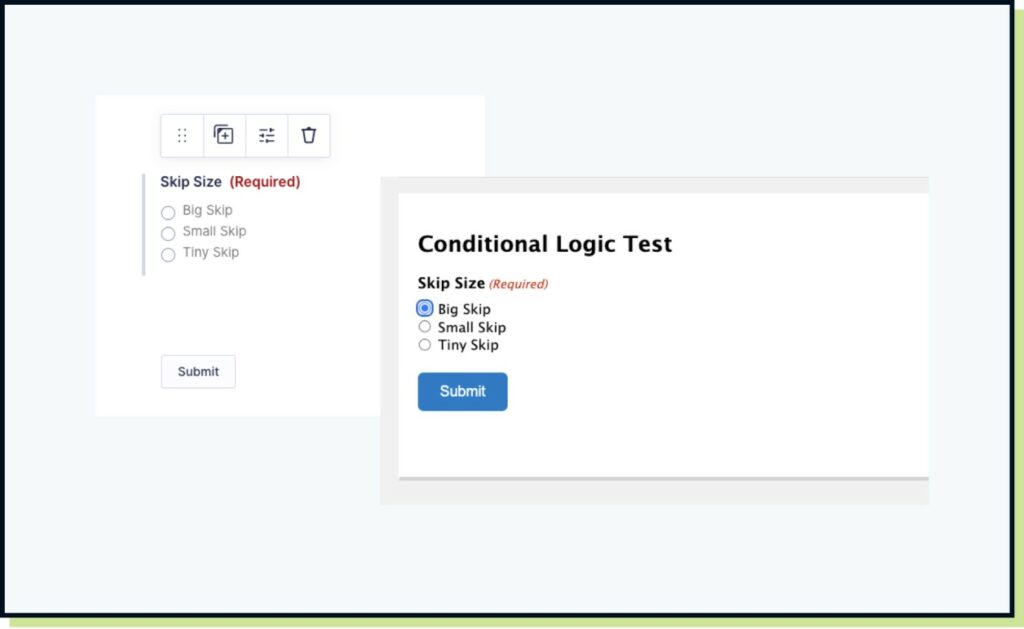
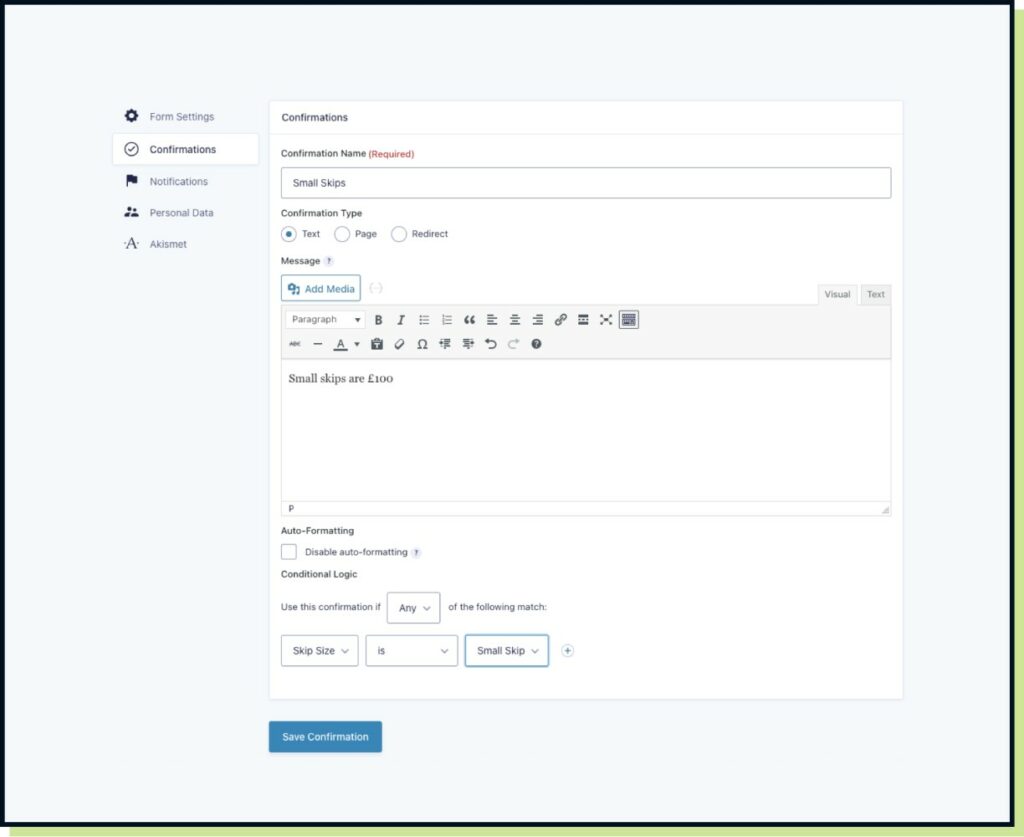
On the question ‘what size skip’ are you looking for, conditional logic is used when the visitor selects an option, to provide a slightly different journey for each option. In this case, the end/confirmation page presents a different price message.
So in Gravity Forms you’d need to:
Viola! What seems like a complex form, broken down into easy steps.
Here’s a few screenshots of Gravity Forms in action:


The main takeaway here is for marketers who see complex forms as a burden and something that can be a challenge to deliver. As you can still present what feels like more in depth functionality, like instant quotes, via a simple form that is rapid to create.
Yes, competitors could still complete your form and capture your pricing, but you can also begin to capture customer data. Ask if you can send them offers and allow them to pre-qualify themselves, or disqualify themselves from your products or services.
That’s a wrap for Swipe & Deploy 065 this week. Join me next time where I will share another insight or inspiration piece from around the web.

If you’d like to learn more about our WordPress & WooCommerce Support & Maintenance plans, drop us an email or give James a call.
Our plans provide a holistic solution to your website’s performance, reliability and security, and are inclusive of premium tools and services.
Could adding verification by industry experts help build trust with your users, in a world where so much content is AI slop?
James Coates
A recent addition to the Oh Polly website went viral, and prompted this week's Swipe & Deploy. Could your brand take inspiration from Oh Polly for your own website?
James Coates
A look at how adding functionality for users to save their basket can remove friction and improve your chances of a sale.
James Coates